Vegetarian Vitality® Nutrition Guide: 9 Vegan Soups and Stews To Make in Under 15 Minutes Each
Hi! I'm Siri Chand
Welcome to our blog, and thank you for stopping by!
Here at Vishuddha.com, we're dedicated to supporting clinicians at every stage of their career journey. As the founder of this vibrant community, I’m eager to share some of my favorite meal plan ideas with you, all available for free within our community.
“Are you feeling stalled? Is your health and wellbeing suffering? Are you struggling to reconnect to what made you want to be a doctor because the larger system is leaving you feeling overwhelmed, burned out, and isolated from your true calling?”
Write your awesome label here.
Join us to explore this and so much more for a fufilling life!
Plant-Forward Soups and Stews That You Can Make in Under 15 Minutes Each
Vegetarian Vitality® plant-focused writing in the community provides nutritional information about plant-based foods to support clinicians and consumers in understanding how to nourish themselves through whole, plant-forward eating. This guide covers the nutritional profiles of nine fall soups and stews, with a focus on macronutrient density, micronutrient content, and the bioactive compounds that distinguish plant-forward eating from conventional convenience cooking.Each recipe category below includes a Nutritional Spotlight summarizing what these foods contribute per serving, the food groups represented, and the evidence base for their reported health effects.
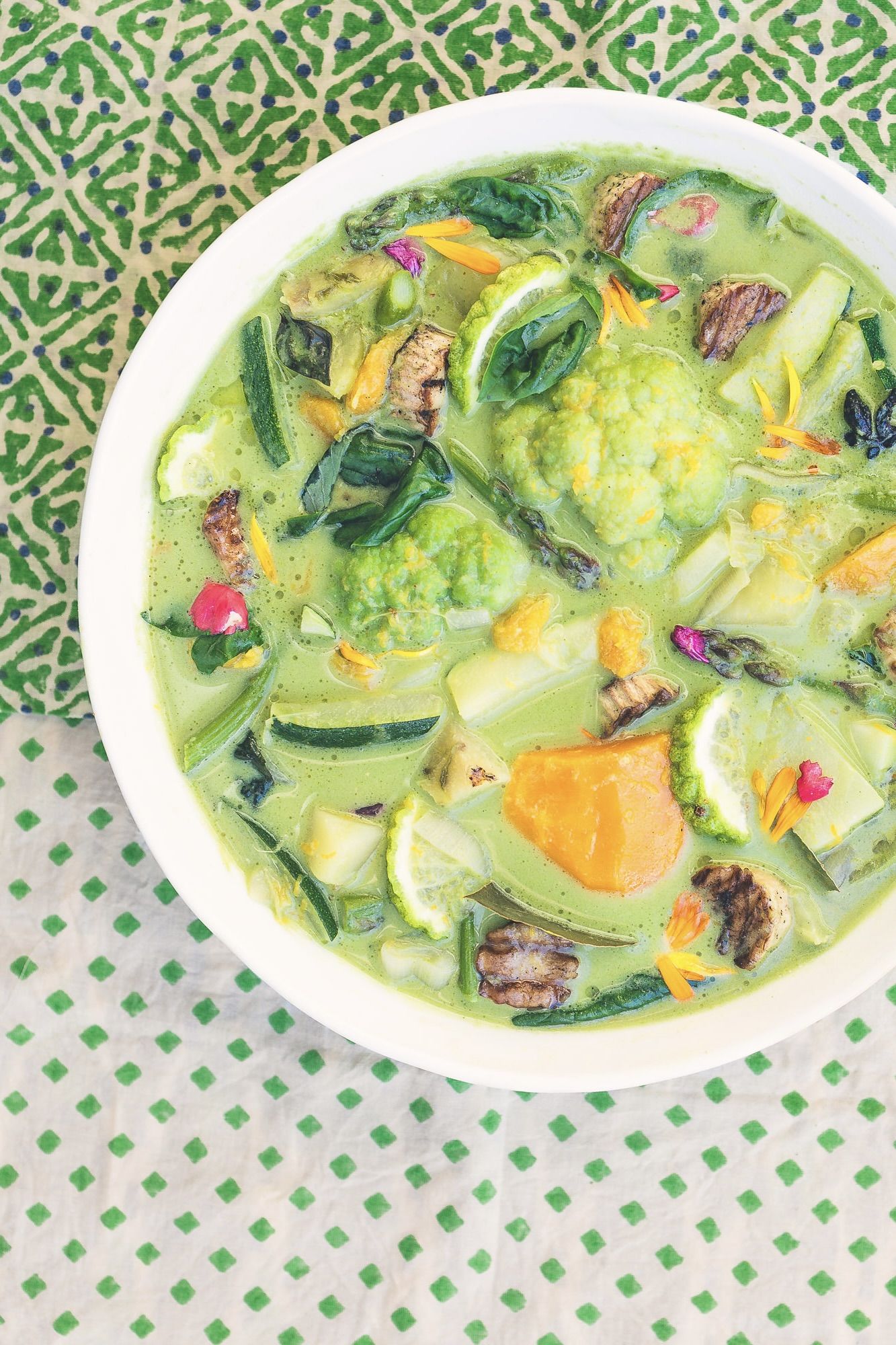
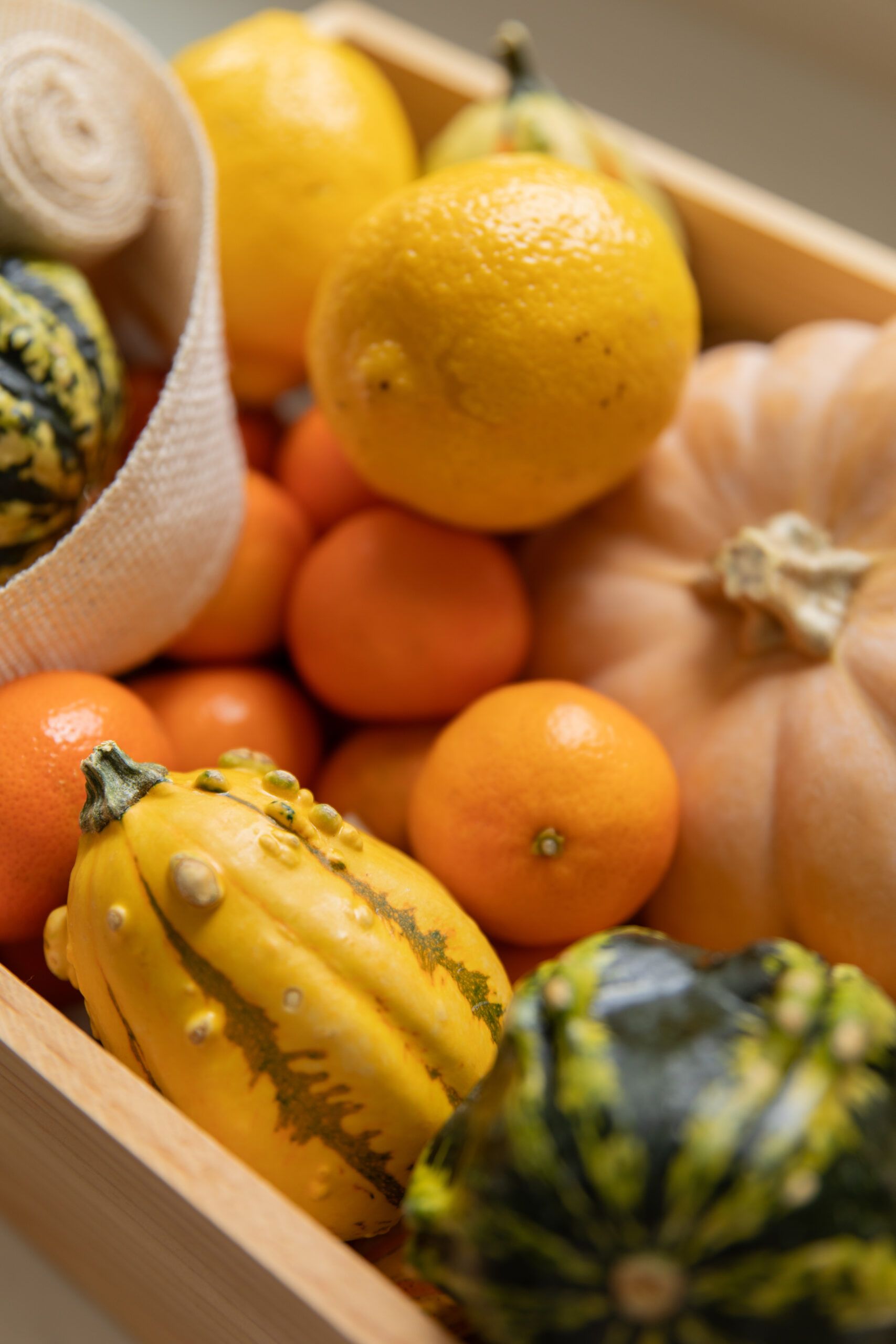
When the weather starts to cool down and the leaves begin to change, there's nothing quite like a warm, comforting bowl of soup or stew to satisfy the soul. These hearty and delicious soups and stews options are abundant for those following a whole food plant-based lifestyle. In this ultimate guide, we'll explore the world of vegan soups and stews, offering a variety of recipes and expert insights to cater to a diverse range of culinary interests.
What is a plant-based/vegan soup or stews?
Vegan soups and stews are hearty, flavorful dishes that are entirely plant-based and free from any animal products such as meat, dairy, and eggs. They are typically made with a combination of vegetables, legumes, grains, and herbs, creating a flavorful meal that is both nutritious and tasty to everyone.
I also find that when we add abundant fresh or dried herbs and spices, there are nearly infinite options regarding flavors and elements of exploration in the kitchen.
Plant-based soups and stews provide ease and valuable nutrition during the winter months.
Benefits of incorporating vegan soups and stews into your diet
A bowl of plant-forward soup typically delivers four nutritional advantages over conventional convenience meals.
Fiber density.A single cup of cooked lentils provides approximately 15 grams of fiber. A cup of cooked chickpeas provides 12 grams. A cup of cooked kale provides about 5 grams. The 2020-2025 Dietary Guidelines for Americans set adequate fiber intake at 25 to 34 grams daily for adults. Most U.S. adults consume 15 to 17 grams. A single bowl of bean and vegetable soup can close most of that gap.
Complete protein through complementation.Legumes are limited in methionine and complete in lysine. Grains are the inverse. A bowl of three-bean chili with quinoa, or lentil stew served over rice, delivers a complete amino acid profile without animal protein. Quinoa on its own provides all nine essential amino acids and approximately 8 grams of protein per cooked cup.
Phytonutrient diversity.Brassicas (broccoli, kale, cauliflower, cabbage) contribute glucosinolates, which are hydrolyzed during chewing and gentle cooking into isothiocyanates including sulforaphane.In vitroand animal studies show sulforaphane activates the Nrf2 antioxidant response pathway. Human evidence is preliminary but consistent with anti-inflammatory effects. Allium vegetables (onion, garlic, leek) contribute organosulfur compounds. Carotenoid-rich vegetables (carrot, sweet potato, winter squash) contribute beta-carotene, alpha-carotene, and lutein.
Micronutrient density per calorie.A cup of cooked spinach provides 84% of the RDA for vitamin K. A cup of cooked lentils provides 90% of the RDA for folate. A cup of cooked sweet potato provides over 700% of the RDA for vitamin A as beta-carotene precursor. These foods are nutritionally dense in a way that ultra-processed convenience foods are not.
Essential Ingredients for Vegan Soups and Stews
Spend time prepping vegetetables
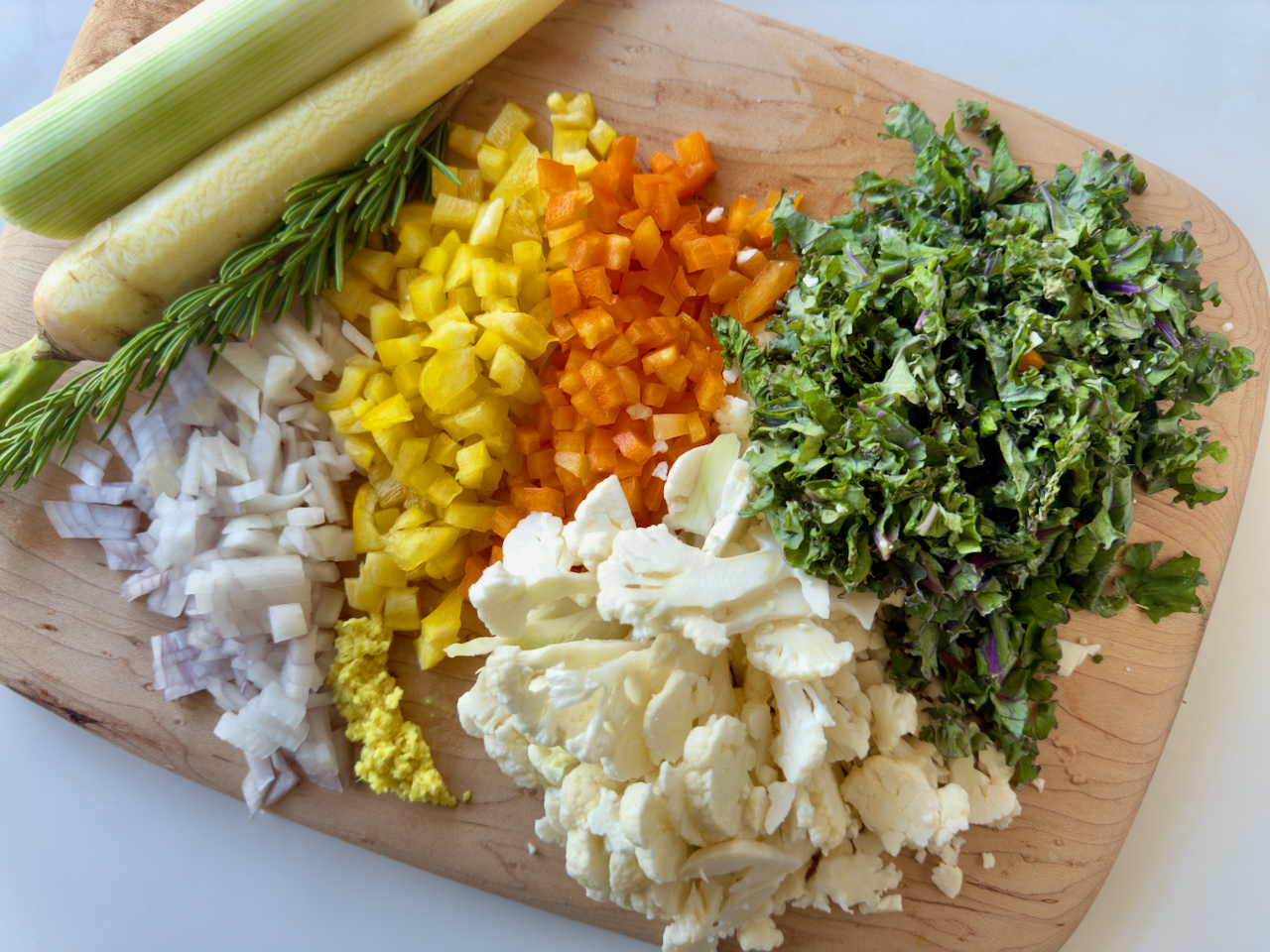
Prepping your vegetables is integral to adding ease to your daily life. If you take time to do it and plan, you can make four soups from one cutting board.
Why would I know this??? Because I never used to plan AND, and I have made hundreds if not thousands of soups in my lifetime. Nothing says fall like a big bowl of chunky soup.Preppting your vegetables is rsuch an integ
Overview of key ingredients
The main ingredients for vegan soups and stews include vegetables such as carrots, celery, onions, and potatoes, as well as legumes like lentils and beans. Grains such as quinoa, barley, and rice can also add heartiness to the dish. Additionally, flavorful herbs and spices like thyme, rosemary, cumin, and paprika are essential for enhancing the taste of vegan soups and stews.
Creating Variety From One Cutting Board: The best part about this process is that you can find your freshest veggies, spend 20 minutes chopping them up and then create a bevy of masterpieces from them.
To get started, think about it in this way and you will never tire of what is possible in the kitchen: 1. Vary the veggie choices 2. Vary the broth coices 3. Vary the grain choices 4. Vary the spices 5. Vary the legume choices 6. Puree versus chunky
Substitutes for nonvegan ingredients in common recipes
To replace nonvegan ingredients commonly found in traditional soup and stew recipes, ingredients like coconut milk, cashew cream, and nutritional yeast can achieve creamy textures and rich flavors without the need for dairy products. Similarly, vegetable or mushroom broth can be substituted for meat-based broths, providing a savory base for vegan soups and stews.
Tips for enhancing flavor in vegan soups and stews
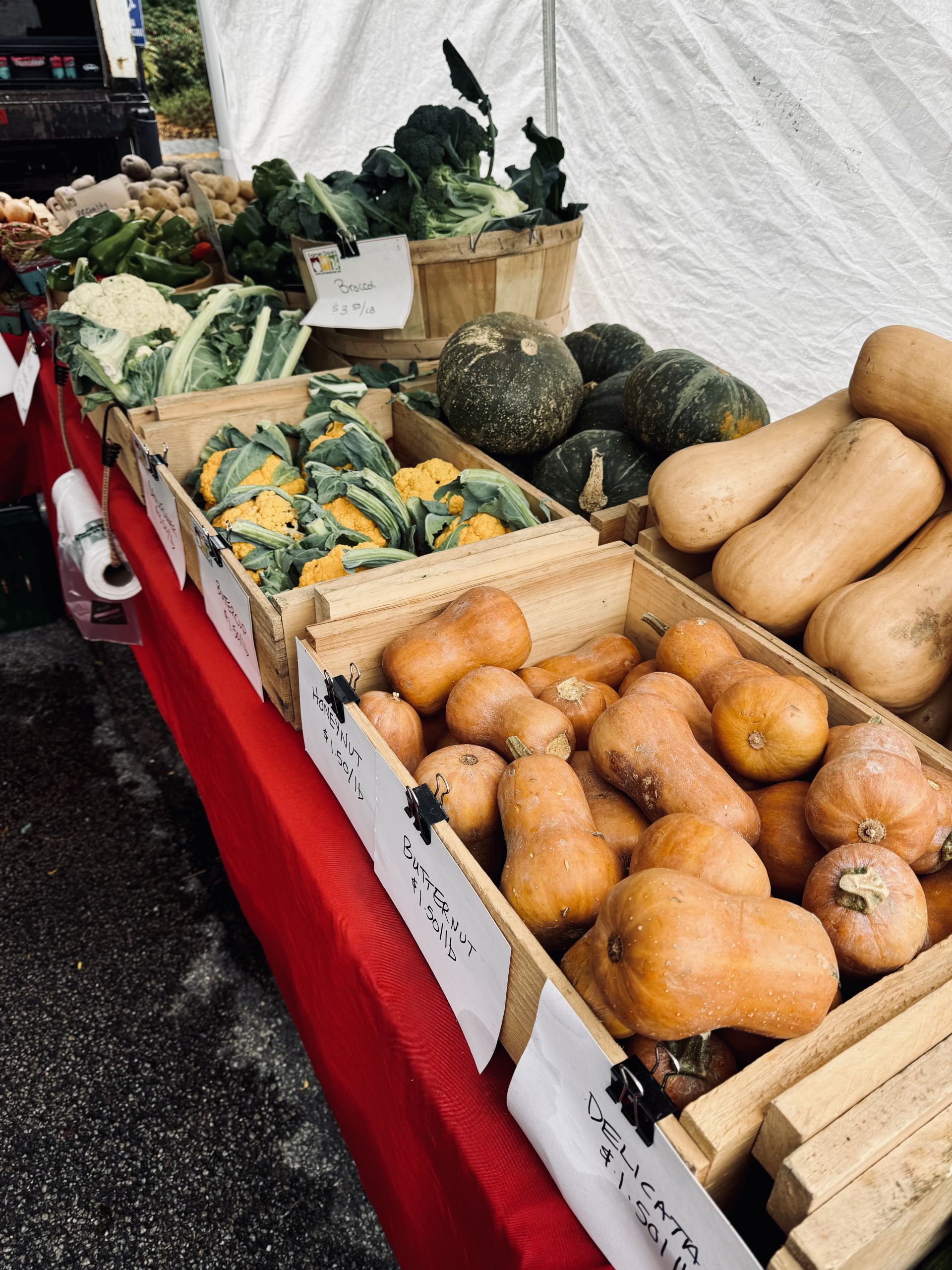
To enhance the flavor of vegan soups and stews, consider incorporating umami-rich ingredients such as soy sauce, miso paste, or tamari. Additionally, adding a splash of acidity from ingredients like lemon juice or apple cider vinegar can help balance and brighten the dish's overall taste. One of my favorite ingredients to add is fresh grated ginger which you can see right from the market.
For this recipe compilation, I picked three main categories to create from in the kitchen: Chunky Vegetable Soups, Protein Rich Soups, and Creamy Blended Soups.
There are so many varieties that can be made from these starting points. And each one should take less than 15 minutes to make.
One of the joys of chunky vegetable soups is the bold flavors that can be achieved with everyday ingredients. For example, a rustic minestrone with kale and beans is a hearty and nutritious option that also has vibrant flavors of seasonal vegetables. Combining ingredients like tomatoes, carrots, celery, and cannellini beans, this chunky vegetable soup celebrates autumn produce. These are all immune supporting and rich in phytonutrients.
Nutritional Spotlight: Chunky Vegetable Soups
Per typical 2-cup serving (approximate ranges):
Calories: 250 to 350
Protein: 10 to 15 grams (from beans, kale, mushrooms)
Fiber: 12 to 18 grams
Sodium: variable depending on broth choice; low-sodium broth recommended
Key nutritional contributions:
Kale and beans (Rustic Minestrone):Kale provides vitamin K (over 600% RDA per cooked cup), vitamin A, vitamin C, and lutein. Cannellini beans contribute approximately 15 grams protein and 11 grams fiber per cup, plus folate, magnesium, and potassium. The combination delivers heme-independent iron alongside vitamin C, which enhances non-heme iron absorption.
Mushrooms (Japanese Mushroom and Wild Rice):Edible mushrooms contribute beta-glucans, ergothioneine, and B vitamins (riboflavin, niacin, pantothenic acid). When mushrooms are exposed to UV light before harvest or at home, they synthesize vitamin D2. Beta-glucans havein vitroand limited human evidence for immunomodulatory effects.
Quinoa, carrot, yellow squash:Quinoa provides complete protein. Carrots and yellow squash contribute alpha-carotene, beta-carotene, and lutein. Carotenoid absorption is enhanced when these foods are consumed with a small amount of fat.
The recipes in this part of the ebook are:
Rustic Minestrone with Kale and Beans - try my favorite Minestrone Recipe
Quinoa, Carrot and Yellow Squash soup.
Japanese Mushroom and Wild Rice
Imagine ladling out a steaming bowl of rustic minestrone or a chuncky mushroom rice soup infused with miso.
2. Protein-Packed Stews: Nourishing and Satisfying Meals
For those seeking a protein-packed meal, vegan stews offer various options to satisfy hunger and nourish the body. It's possible to create hearty and satisfying stews rich in plant-based protein by incorporating ingredients like tofu, tempeh, or seitan. Legumes such as chickpeas, black beans, and lentils are excellent protein sources and can add a substantial element to any vegan stew.
Nutritional Spotlight: Protein-Packed Stews
Per typical 2-cup serving (approximate ranges):
Calories: 350 to 450
Protein: 18 to 25 grams
Fiber: 14 to 20 grams
Key nutritional contributions:
Lentils:One cup cooked provides approximately 18 grams protein, 15 grams fiber, 90% RDA folate, 37% RDA iron (non-heme), and 71% RDA molybdenum. Lentils are rich in resistant starch, which functions as a prebiotic and produces short-chain fatty acids during colonic fermentation.
Chickpeas:One cup cooked provides approximately 15 grams protein, 12 grams fiber, 70% RDA folate, and 26% RDA iron. The combination of protein, fiber, and resistant starch contributes to a lower postprandial glycemic response compared with refined grain meals of similar caloric content.
Sweet potato:One cup mashed provides approximately 770% RDA vitamin A as beta-carotene precursor, 65% RDA vitamin C, and 25% RDA potassium. Lower glycemic load than white potato.
Black beans, kidney beans, pinto beans (Three-Bean Chili):Beans contribute polyphenols including anthocyanins (in black and kidney beans). Bean polyphenol intake has observational human evidence for cardiometabolic benefit; causal data is limited.
The recipes in this part of the ebook are:
Chickpea and Sweet Potato Curry
Lentil and Vegetable Stew with Herbs
Three-Bean Chili with Quinoa
3. Creamy Blended Soups
With several techniques and the right ingredients, you can quickly achieve a creamy texture and rich flavor with plant-based soups. A high-speed or immersion blender can perfectly blend cooked vegetables and plant-based milk or cream, resulting in a velvety smooth soup.
Nutritional Spotlight: Creamy Blended Soups
Per typical 2-cup serving (approximate ranges):
Calories: 280 to 380
Protein: 8 to 14 grams
Fiber: 8 to 14 grams
Key nutritional contributions:
Cauliflower:One cup cooked provides 73% RDA vitamin C, 20% RDA vitamin K, and approximately 3 grams fiber. Cauliflower is a brassica and contributes glucosinolates including glucoraphanin, the precursor to sulforaphane.
Broccoli:One cup cooked provides 116% RDA vitamin C, 220% RDA vitamin K, 14% RDA folate. Highest sulforaphane yield occurs when broccoli is chopped and rested for approximately 40 minutes before cooking, allowing the enzyme myrosinase to convert glucoraphanin to sulforaphane before heat inactivates the enzyme.
Carrots and ginger:Carrots contribute beta-carotene and alpha-carotene. Ginger contributes gingerol and 6-shogaol, with robust human evidence for antiemetic effects (Lete I, Allué J.The Effectiveness of Ginger in the Prevention of Nausea and Vomiting during Pregnancy and Chemotherapy.Integr Med Insights, 2016;11:11-17).
Cashews and almonds:Tree nuts contribute monounsaturated fat, magnesium, vitamin E, and approximately 5 grams protein per ounce. Cashew cream as a dairy substitute retains the magnesium and healthy fat profile while eliminating saturated fat from dairy cream.
Ingredients like coconut milk, cashew cream, or silken tofu can add creaminess and depth to blended soups, creating a delicious dining experience. The recipes in this part of the ebook are:
Cauliflower and Leek Soup
Roasted Carrot and Ginger Bisque
Creamy Broccoli and Almond Soup
Preview the Soups and Stews Ebook Here:
Scroll through with the slider on the right.
With each spoonful, we can savor the season's bountiful harvest, finding comfort and health in the simplicity of plant-based ingredients.
Why Would Meal Prep Be Helpful?
This is when there is a knock at the door that change is coming; it gradually becomes a loud reckoning. I've noticed that it varies for each person; however, no matter where the inner knowing comes from, it is an invitation for change.
Unlock Exclusive Resources and Techniques
When you join the the in person instruction, you’re not just signing up for recipes; you’re gaining access to a treasure trove of knowledge!
Vegetarian Vitality® Nutritional Information Service
This guide is part of the ongoing Vegetarian Vitality® nutritional information offering. Subscribers and community members receive monthly nutritional information about seasonal plant foods, including:
Macronutrient and micronutrient profiles for featured ingredients
Bioactive compound information with evidence-based context
Guidance on food preparation methods that preserve or enhance nutritional value
Citations to peer-reviewed sources for nutritional claims
Practical application of nutritional information to daily eating
Sign up today by reviewing the information below and prepare to warm your heart and home with the tastes of fall.
Higgins JA.Whole Grains, Legumes, and the Subsequent Meal Effect: Implications for Blood Glucose Control and the Role of Fermentation.Journal of Nutrition and Metabolism.2012;2012:829238. doi:10.1155/2012/829238.
Houghton CA, Fassett RG, Coombes JS.Sulforaphane and Other Nutrigenomic Nrf2 Activators: Can the Clinician’s Expectation Be Matched by the Reality?Oxidative Medicine and Cellular Longevity.2016;2016:7857186. doi:10.1155/2016/7857186.
Lete I, Allué J.The Effectiveness of Ginger in the Prevention of Nausea and Vomiting during Pregnancy and Chemotherapy.Integrative Medicine Insights.2016;11:11-17. doi:10.4137/IMI.S36273.
U.S. Department of Agriculture and U.S. Department of Health and Human Services.Dietary Guidelines for Americans, 2020-2025.9th ed. December 2020. Available at DietaryGuidelines.gov.
Viguiliouk E, Glenn AJ, Nishi SK, et al.Associations between Dietary Pulses Alone or with Other Legumes and Cardiometabolic Disease Outcomes: An Umbrella Review and Updated Systematic Review and Meta-analysis of Prospective Cohort Studies.Advances in Nutrition.2019;10(Suppl_4):S308-S319. doi:10.1093/advances/nmz113.
Set Aside time to explore this more
Tips to explore more:
Having Fun in the Kitchen
Keep an "emotion journal" for a week, noting how your feelings influence your desire to be in the kitchen.
In your next grocery trip, plan three soups that you can make in under 30 minutes for the week.